Gravel Driveway & Private Road Construction in Saluda County, SC
New driveways built on a real base, worn-out ones brought back, and private roads that hold up through a wet South Carolina winter.
Driveways that survive the rain
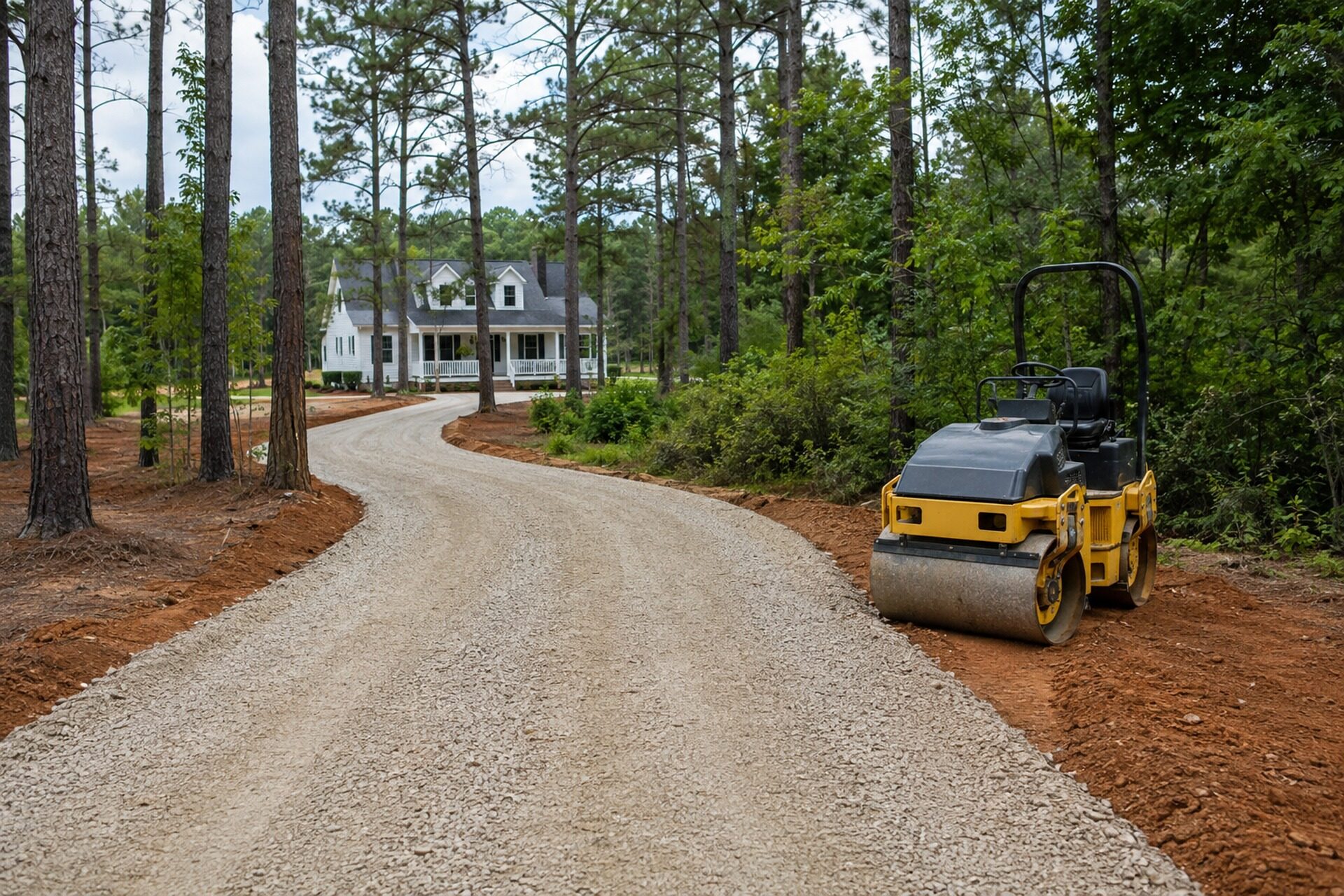
A gravel driveway is mostly what you cannot see. Get the subgrade, the crown, and the ditches right and it lasts for years. Skip them and you are buying stone again every spring. We build the part underneath first.
New gravel driveways and private roads, built from the subgrade up
We strip the topsoil and organic material out, compact the subgrade, install geotextile fabric where the ground is soft, then place and compact the base stone before the surface course goes down. The road gets a proper crown so water sheds to the shoulders, and ditches so it has somewhere to go. That is the difference between a driveway and a pile of gravel on dirt.
Worn driveways regraded and brought back
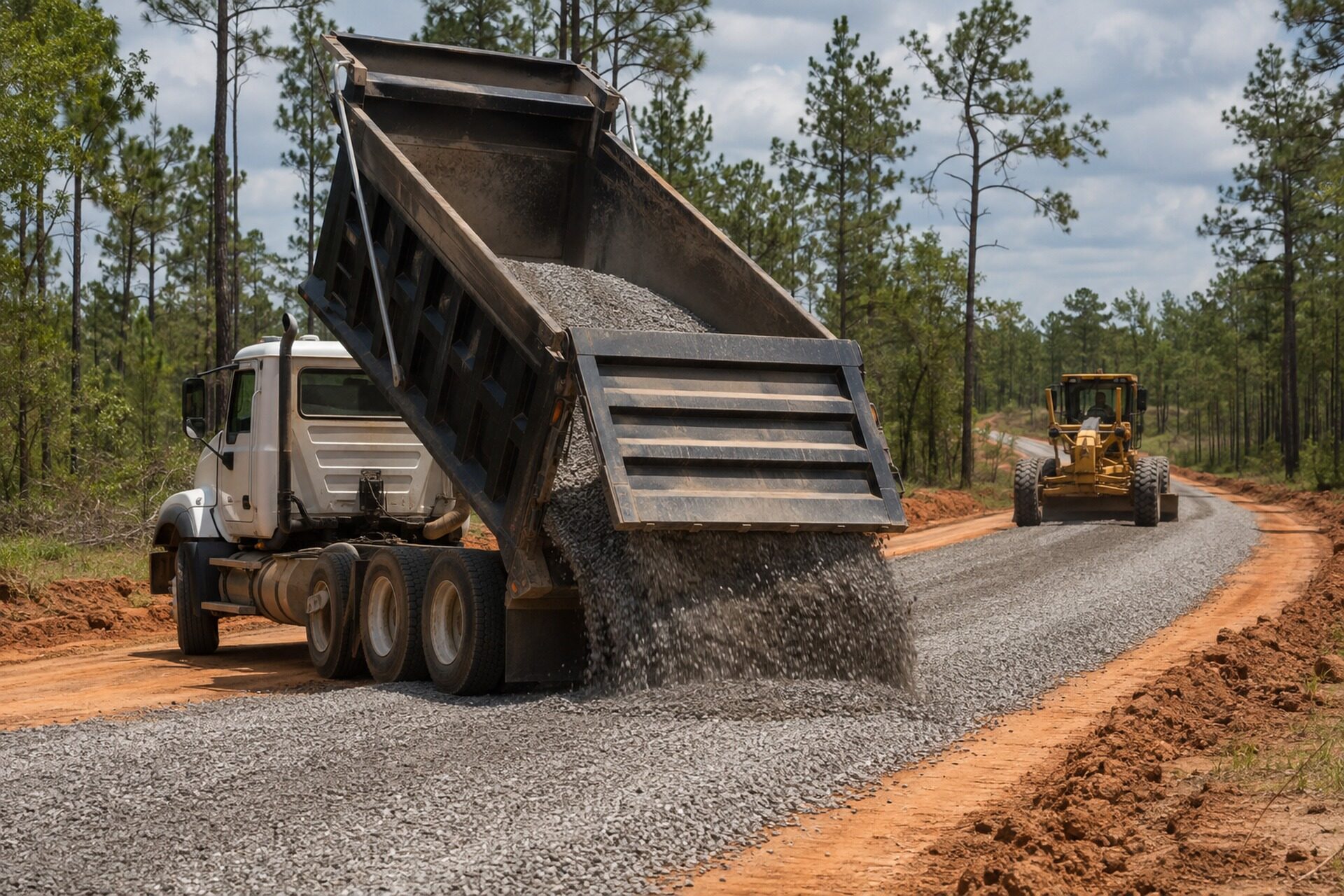
Ruts, potholes, and washboard scraped out, the crown re-established, and fresh stone added only where it is actually needed.
Culverts and pipe set at the right elevation
Driveway culverts, crossings, and headwalls installed so the water goes under the road instead of across it.
Washouts and soft spots fixed at the cause
We find out why a section keeps failing — usually water or a bad subgrade — and fix that, instead of filling the hole again.
Base prep for concrete and asphalt
If you are paving, the compacted stone base under it decides how long it lasts. We build that base to spec.
The layers that make a driveway last
Every driveway we build follows the same sequence, scaled to the traffic it has to carry. A residential driveway and a road that takes loaded log trucks get the same principles and different thicknesses.
-
Topsoil, roots, and organic material stripped out to firm subgrade
-
Subgrade proof-rolled and compacted, with soft areas undercut and replaced
-
Geotextile fabric laid over soft or high-clay ground to stop the stone from pumping down
-
Crusher run base placed in lifts and compacted, not just dumped and spread
-
Surface course sized to the use, from #57 stone to a tighter crusher run finish
-
Crown built in and ditches shaped so water leaves the road immediately
Built for Saluda County soil
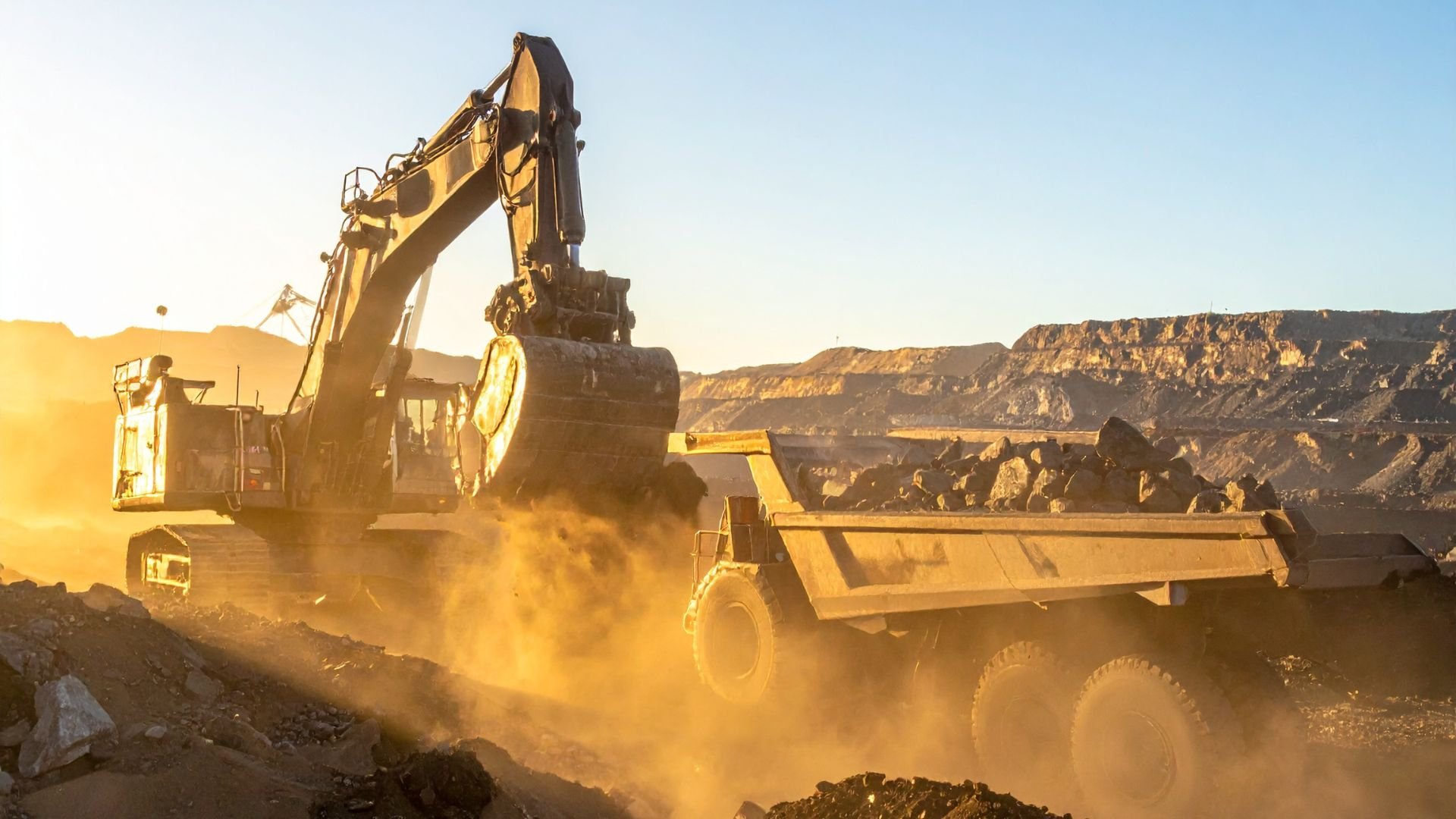
The clay through this part of South Carolina holds water and turns to grease when it is saturated. A driveway built on unprepared clay will rut in the first wet week no matter how much stone sits on top of it. That is why we spend the time on the subgrade and the fabric, and why we care about the ditch line as much as the driving surface. Local ground has local failure modes, and we have fixed enough of them to build around them the first time.
Graded, not just topped off
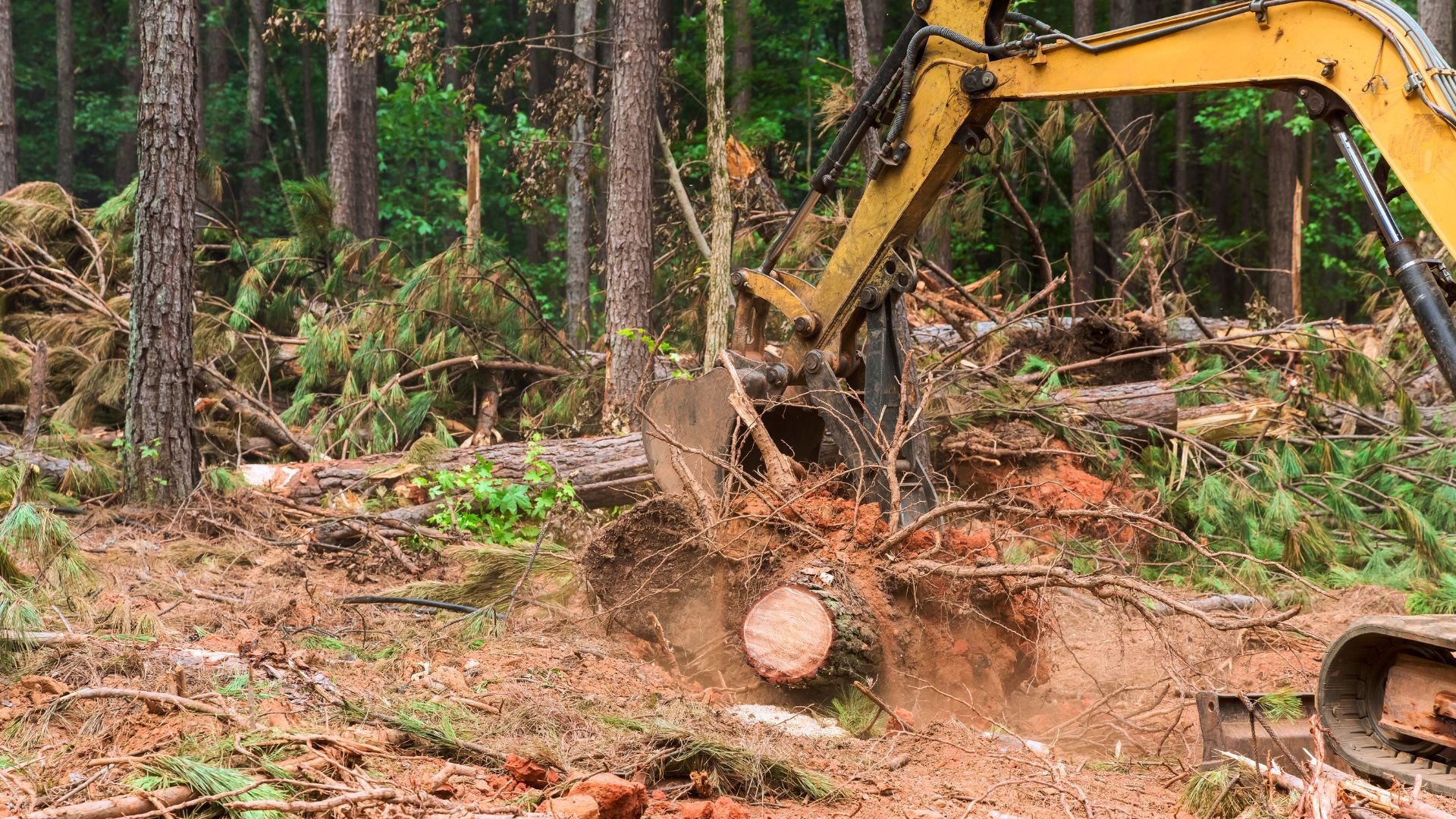
Adding stone to a rutted driveway hides the problem for a month. We cut the ruts out and re-establish the shape first.
Material sized to the job
Base stone, crusher run, and surface stone all do different things. We use the right one at the right depth instead of one load of whatever.
Access that works year-round
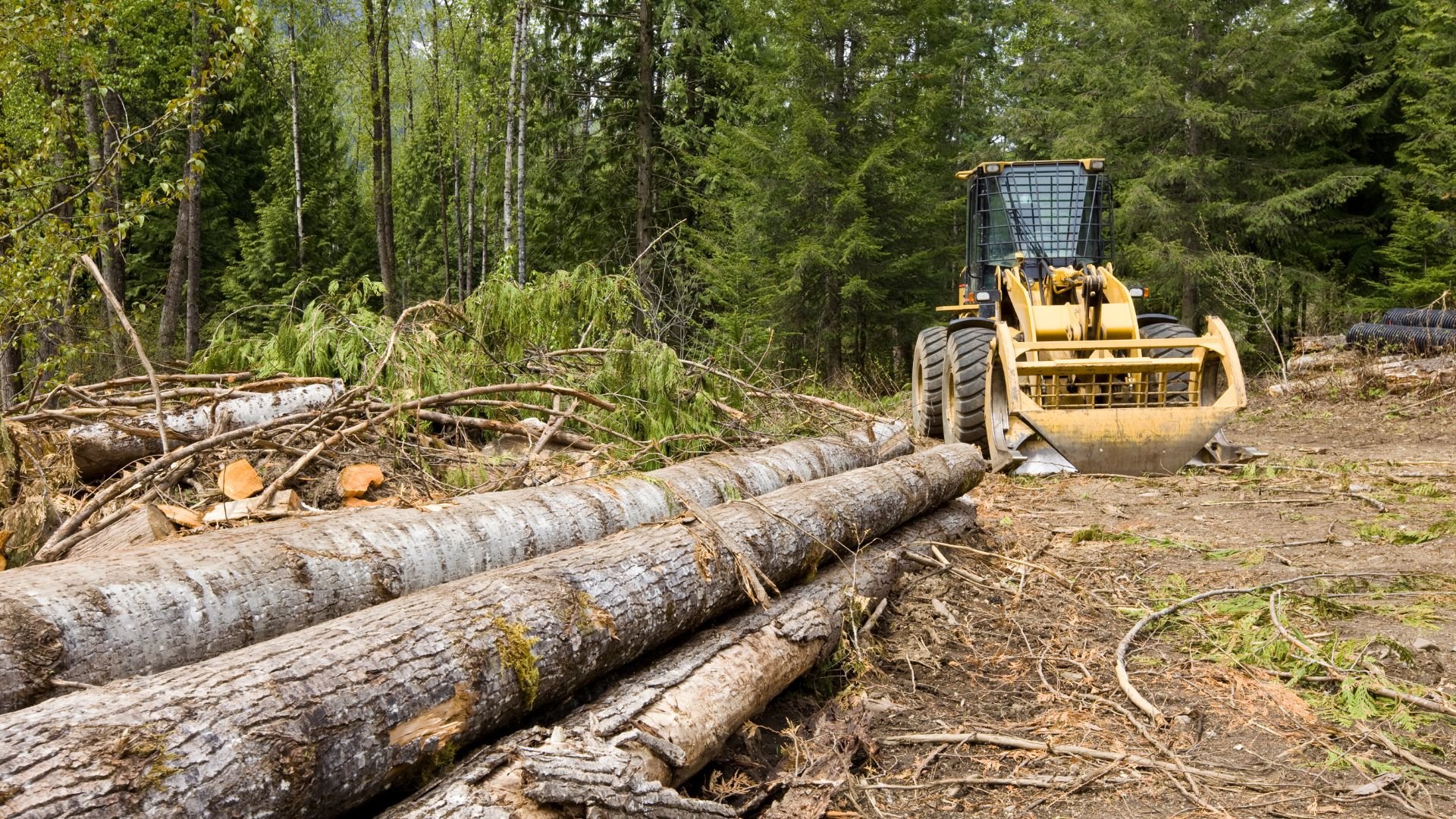
Farm roads, field access, and logging roads built so equipment can get in during the season you actually need it.
Everything else we handle in Saluda County
Driveway work overlaps with almost everything else we do. Handling it together keeps the grades and the drainage consistent.
-
Drainage & erosion control — Ditches, culverts, and runoff control that keep water off the roadbed.
-
Grading & land clearing — Opening the route and shaping the ground before the road goes in.
-
Excavation services — Cuts, fills, and site prep where the driveway has to move real dirt.
-
Concrete services — Concrete driveways, aprons, and parking pads on a base built to hold them.
-
Demolition services — Old structures and slabs cleared out of the way of the new drive.
Questions
Common questions about gravel driveways, private roads, and culverts in Saluda County.
It comes down to length, width, how much material the subgrade needs, and whether culverts or significant grading are involved. A short flat drive on good ground and a 600-foot run across clay with two crossings are very different jobs. We give free on-site estimates with the scope written out. Call (864) 993-7573.
Most driveways here work best with a compacted crusher run base and a crusher run or #57 surface, depending on slope and use. Crusher run packs hard and drives well; larger washed stone drains better on steep sections but stays loose. We recommend the combination that fits your grade and traffic rather than one default.
Almost always water, not gravel. Either the road has no crown so water runs down it instead of off it, the ditch is blocked or too flat, or a culvert is undersized or set at the wrong elevation. Adding stone to that spot treats the symptom. We find the cause and fix the drainage first.
Usually, yes. We scrape the surface to cut the ruts out rather than filling them, re-establish the crown, rebuild any soft sections, and add new stone where the profile needs it. A full rebuild is only necessary when the base was never there in the first place.
Yes. We size the pipe for the drainage area, set it on a compacted bed at the right slope, backfill in lifts, and protect the inlet and outlet. Culvert work is part of most driveway jobs we do, and a wrongly set pipe is one of the most common causes of driveway failure we get called about.
A typical residential gravel driveway is one to three days depending on length and how much subgrade work it needs. Longer private roads, heavy cut and fill, or multiple crossings take longer. We give you a realistic schedule with the estimate.
Yes. Farm roads, logging access, and commercial drives get a thicker compacted base and, where the ground is soft, geotextile fabric under the stone. We build for the heaviest thing that will actually use it, not the average.
Yes, and the base is what determines how long the pavement lasts. We strip and compact the subgrade, build the stone base to the right thickness and compaction, and make sure water drains away from the slab edge. If you want concrete, we can pour that too.
A properly built gravel driveway needs far less than a poorly built one, but it is not zero. A light regrade every couple of years keeps the crown intact and the surface tight. Keeping ditches and culverts clear does more for its lifespan than anything else.
Saluda County and the surrounding counties, including Newberry, Lexington, Edgefield, Greenwood, and Aiken. We regularly work jobs anywhere from Charleston to Augusta. If you are not sure whether we reach you, give us a call.
Still have questions?
Call (864) 993-7573 for more details
Ready for a driveway that holds
Free on-site estimates for new driveways, repairs, and private roads across Saluda County.